Climate Factors Affecting Garage Concrete in Northern Nevada
Preserving sturdy Concrete garage floors Reno properties host involves battling a relentless high-desert climate. This region endures wild thermal shifts, swinging from bone-chilling winter nights to blazing mid-summer afternoons. Such rapid thermal swings inflict severe mechanical stress on local residential slabs.
This guide walks through practical ways to spot surface wear, complete trade-grade fixes, and choose defensive topcoats that last well past 2026. Fixing minor defects early keeps small fissures from turning into deep structural splits.
The relentless freeze-thaw cycles in Washoe County wreak havoc on raw, porous masonry. Moisture seeps deep into the tiny pores of the slab during wet winter afternoons. Overnight, that trapped moisture freezes and swells by nine percent.
This swelling creates intense internal pressure exceeding 3,000 pounds per square inch, forcing the surface to flake and crack. Homeowners looking to restore Concrete garage floors Reno area neighborhoods feature must begin by checking the underlying soundness of the slab.
Another massive environmental challenge is the massive day-to-night temperature swing. This constant shifting causes the masonry to expand and shrink hourly, which coaxes narrow hairline cracks to spread apart.
Clay-rich soils across Northern Nevada swell and shrink dramatically depending on moisture levels. This underground shifting moves the slab from below, creating uneven pressure points that end up splitting the surface.
Step-by-Step Guide to Fixing Damaged Concrete
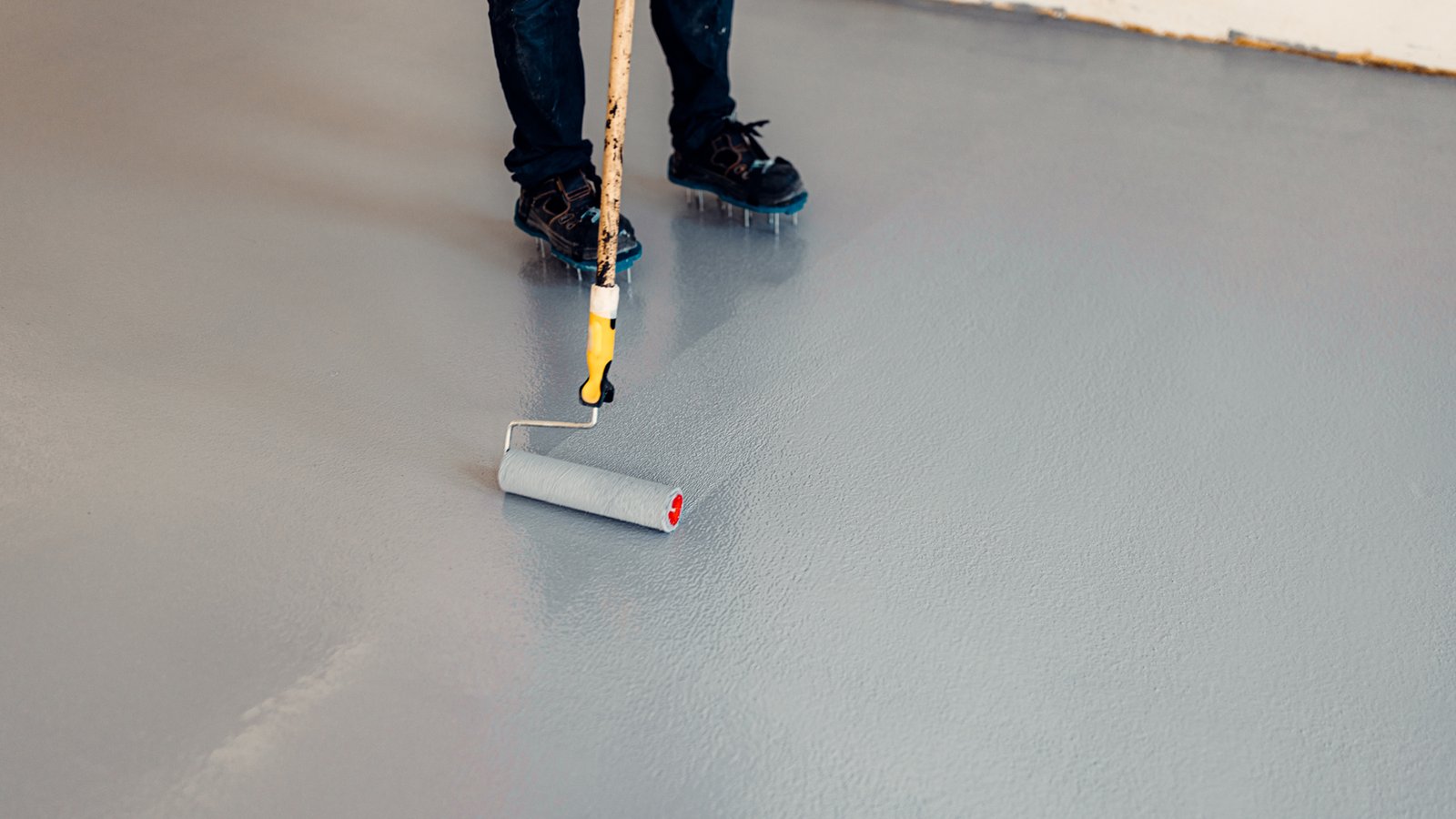
Tackling minor surface flaws quickly keeps dampness out and stops worsening damage in its tracks. Patching worn garage bays that Sparks NV residents own relies on mechanical abrasion, meticulous dust removal, and liquid polymer injection.
Testing the moisture level inside the slab is a necessary step before pouring any patching compound. Too much rising vapor blocks patching resins and topcoats from sticking to the underlying floor.
- Chisel away loose fragments with a stiff wire brush or angle grinder to reach clean, solid masonry.
- Clean the crevice with a heavy-duty vacuum to extract fine dust that blocks adhesives from gripping.
- Pour a fluid, fast-setting epoxy or polyurea patch compound straight into the gap.
- Shave off any rising overflow level with the surrounding floor before the patch hardens.
Grinding the slab with diamond-tipped tooling is the best way to prep the floor before painting. This step unblocks the concrete pores, creating a rough texture similar to medium sandpaper.
Acid washing offers a different route but dumps unwanted water directly into the slab. This liquid takes days of dry weather to dry out, delaying your project timeline.
Polyurea fillers set up far quicker than old-school epoxies, making same-day topcoats possible. These compounds stay slightly flexible after they dry, absorbing small shifting movements without breaking open again.
When dealing with deep craters where actual chunks have popped out, polymer-modified cement mortars are necessary. These compounds match the strength of the surrounding floor, providing a tough, flat surface ready for heavy vehicles.
Selecting the Best Coatings for Concrete Garage Floors Reno
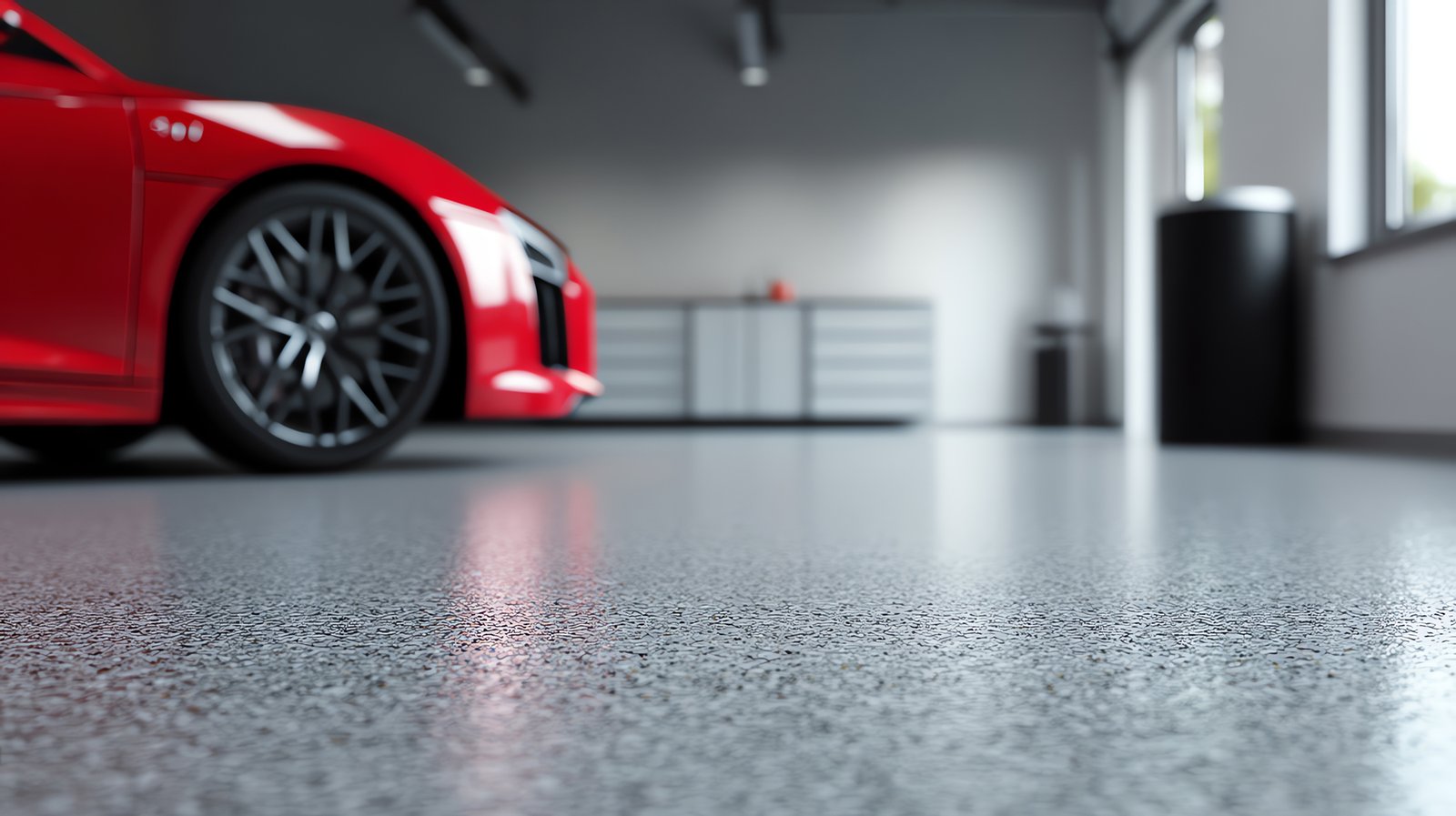
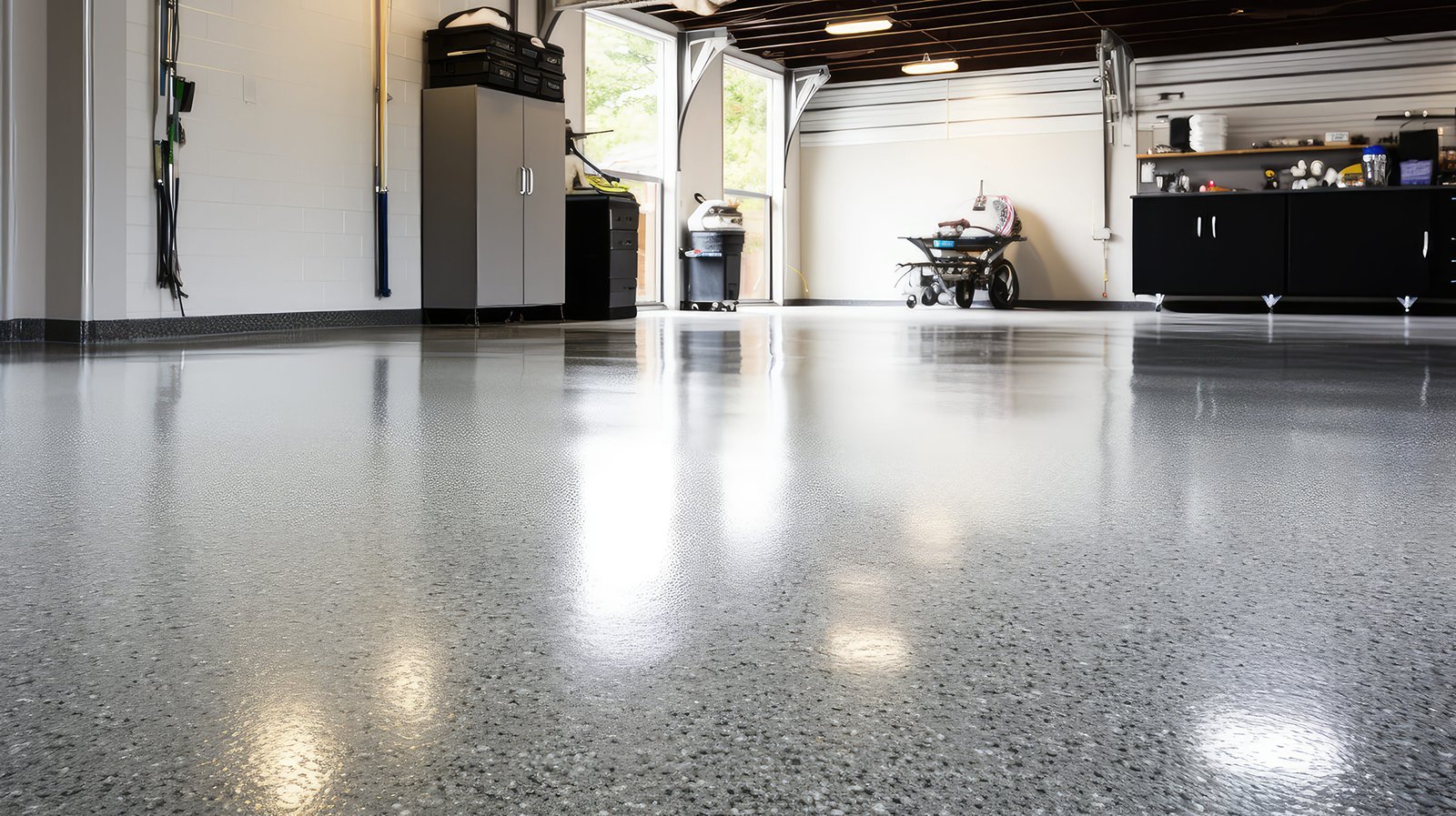
Picking the ideal topcoat depends on how you use your garage. Tough epoxy options resist drops and heavy tools, while polyaspartic formulas dry fast and will not yellow in the sun.
| Coating Type |
Main Advantages |
Drying Time |
Ideal Usage |
| Epoxy Coatings |
Tough defense against drops and spilled fluids |
12 to 24 hours |
Heavy vehicle traffic |
| Polyaspartic Coatings |
Ultra-fast drying and will not discolor in sunlight |
1 to 2 hours |
Quick garage re-entry |
| Penetrating Sealers |
Water-repellent, invisible shield |
4 to 6 hours |
Simple moisture defense |
Brushing on resilient seals that local experts trust keeps the floor safe from oil leaks, winter salt, and hot tires. These products lock into the microscopic pores of the floor to stop peeling.
If you just want to stop dust and keep dampness out, simple sealing work in nearby Carson City often relies on acrylic or siliconate liquids. These sealers do not protect against heavy dropped tools like thick coatings do, but they fit tight budgets.
Air temperature matters immensely when spreading these chemical layers. Standard epoxies need temperatures above 50 degrees Fahrenheit to harden, while specialized polyaspartic formulas can be put down even at zero degrees.
Keeping windows open and air moving is necessary to handle strong chemical fumes during installation. Professional crews use heavy-duty fans to keep the work area safe and help the floors dry quickly.
Long-Term Maintenance Strategies for Reno Garages
Routine care stretches the lifespan of raw slabs and high-end finishes alike. Local bays pile up with road salt and harsh de-icing chemicals dragged in during cold winter storms.
These corrosive chemicals need to be sprayed off quickly to avoid ruining your floor finish. De-icing chemicals stuck to car tires can eat away at unprotected concrete floors.
- Sweep the floor once a week with a soft broom to clear away scratching dirt and pebbles.
- Mop every month using a mild, balanced soap mixed with warm water, steering clear of harsh acids.
- Check the floor once a year for fresh hairline cracks or spots where the paint is peeling near the door.
By taking care of Concrete garage floors Reno families can steer clear of expensive slab teardowns and keep a tidy workspace. Fixing tiny chips immediately stops water from crawling under the edges of the paint.
Tire peel happens when hot tires from a drive park on a cold floor, causing cheap paint to stick to the rubber and lift away. High-grade topcoats stop this mess by resisting the heat and pull of warm tires.
Securing Your Investment with Proper Concrete Care
Keeping a clean, working garage floor takes a mix of quick repairs, solid sealers, and routine cleaning. Putting these habits into action stops structural rot and boosts your home value.
Getting high-quality Concrete garage floors Reno homes can rely on gives you a tough surface built to withstand harsh winter weather. Good surface preparation and premium materials form the bedrock of any solid floor project.